
Sauvignon Blanc
The characteristics of Sauvignon Blanc
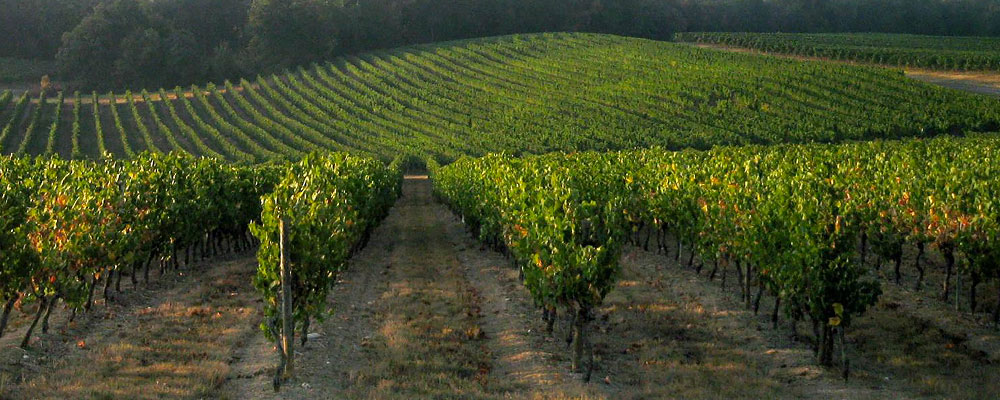
The story of Sauvignon B (or Sauvignon Blanc) – a French grape variety (Vitis vinifera) -dates back to 1736. Now celebrated globally across vineyards in France, the United States, South Africa, Australia and New Zealand, it was long considered a temperamental grape to grow. It was susceptible to downy mildew and grey rot, its stemless clusters clung stubbornly to the vine branches, making it difficult to harvest, and it yielded particular flavour profiles. However, since the 1960s, modern viticultural techniques, mechanical harvesting and a growing enthusiasm for aromatic, dry white wines encouraged new planting. Today, Sauvignon is even about to surpass Sémillon as the leading grape variety in its native Bordeaux. To date, 20 approved clones have been engineered.
Sauvignon Blanc’s aromatic profile
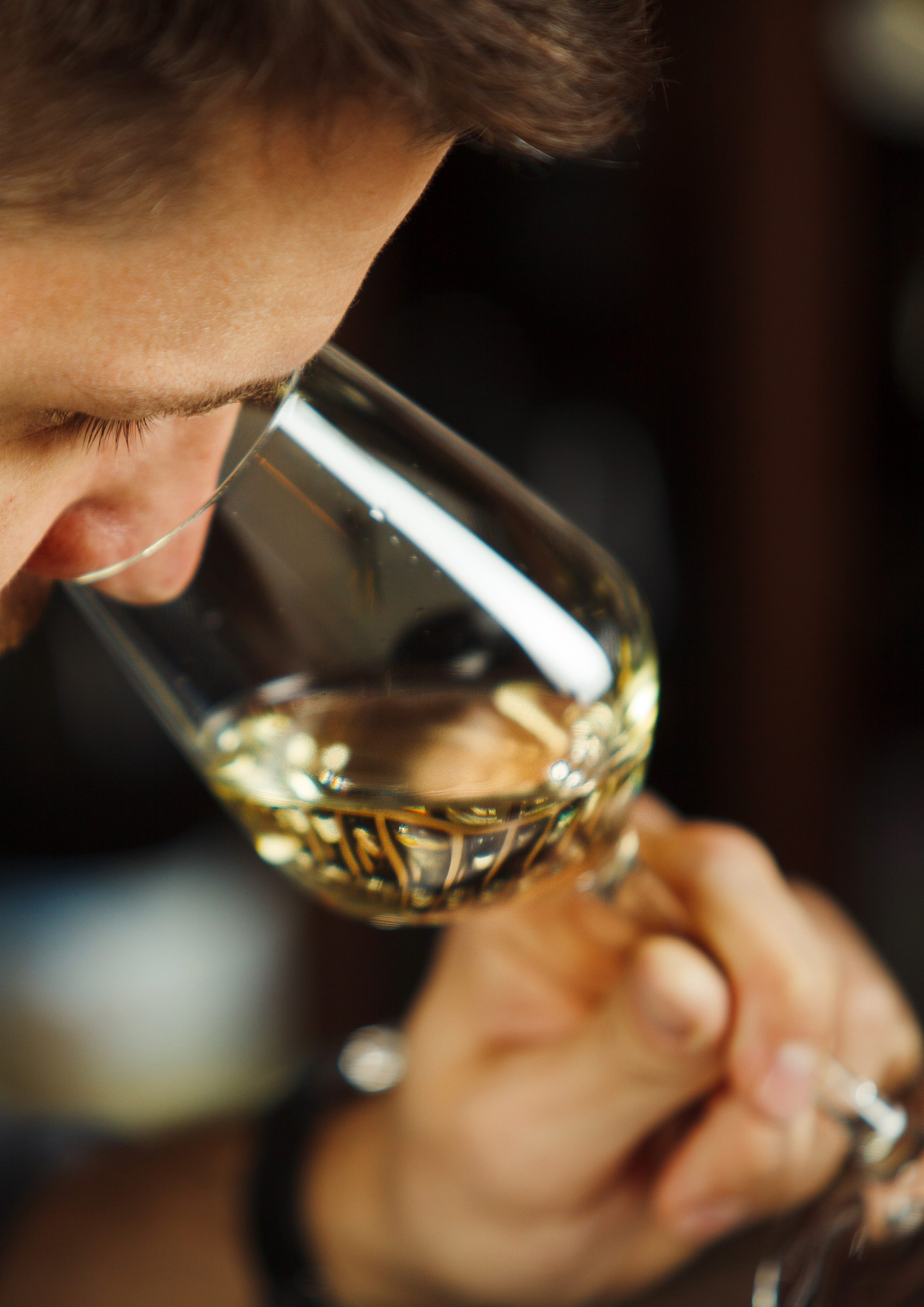
The typical aromas of Sauvignon Blanc are boxwood, citrus fruits (grapefruit, lemon), white-fleshed fruits (peach, pear), nuts (hazelnut, almond) and, in certain terroirs, mineral aromas (flint, gunpowder)…
These aromas result from the presence of highly aromatic molecules (thiols). They are present in trace amounts in the must and become concentrated during alcoholic fermentation. Under the action of yeast, volatile thiols are released from non-volatile precursors.
There is a pink-berried variant, Sauvignon Gris G, which is a grey mutation of Sauvignon Blanc. It has the same characteristics, but ripens earlier and has a higher sugar potential. Wine made from Sauvignon Gris has riper aromas of exotic fruits and grapefruit. The bunches and berries are small. The only certified Sauvignon Gris G clone is number 917.
Ampelographic characteristics
- The tips of the young shoots are cottony, with a carmine-red border.
- The young leaves are downy and yellowish.
- The adult leaves have 5 lobes with narrow lateral sinuses and pointed bases. The petiolar sinus is more or less open and lyre-shaped with narrow ogival teeth and a downy leaf blade.
- Both the clusters and berries are small. The clusters are conico-cylindrical, frequently winged and compact. The berries are golden yellow in colour with green tinges.
Sauvignon Blanc is historically also known as Blanc Doux, Blanc Fumé, Douce Blanche, Fumé Blanc, Gros Sauvignon, Libournais, Sauvignon Fumé, Sauvignon Saune, Sauvignon Petit…